Dust identified. Debris removed. Schedule restored.
Rapid contamination assessment for mid-project cleanup
Post-renovation debris doesn't wait. Drywall dust, paint residue, and adhesive buildup accumulate fast, delaying handover and frustrating teams. Spinwinera delivers rapid on-site contamination diagnosis that identifies exactly what needs removal, how deep the cleanup must go, and which methods work best. Spinwinera IT partners with contractors across Milan and Lombardy to transform chaotic cleanup into a measurable, integrated project phase.
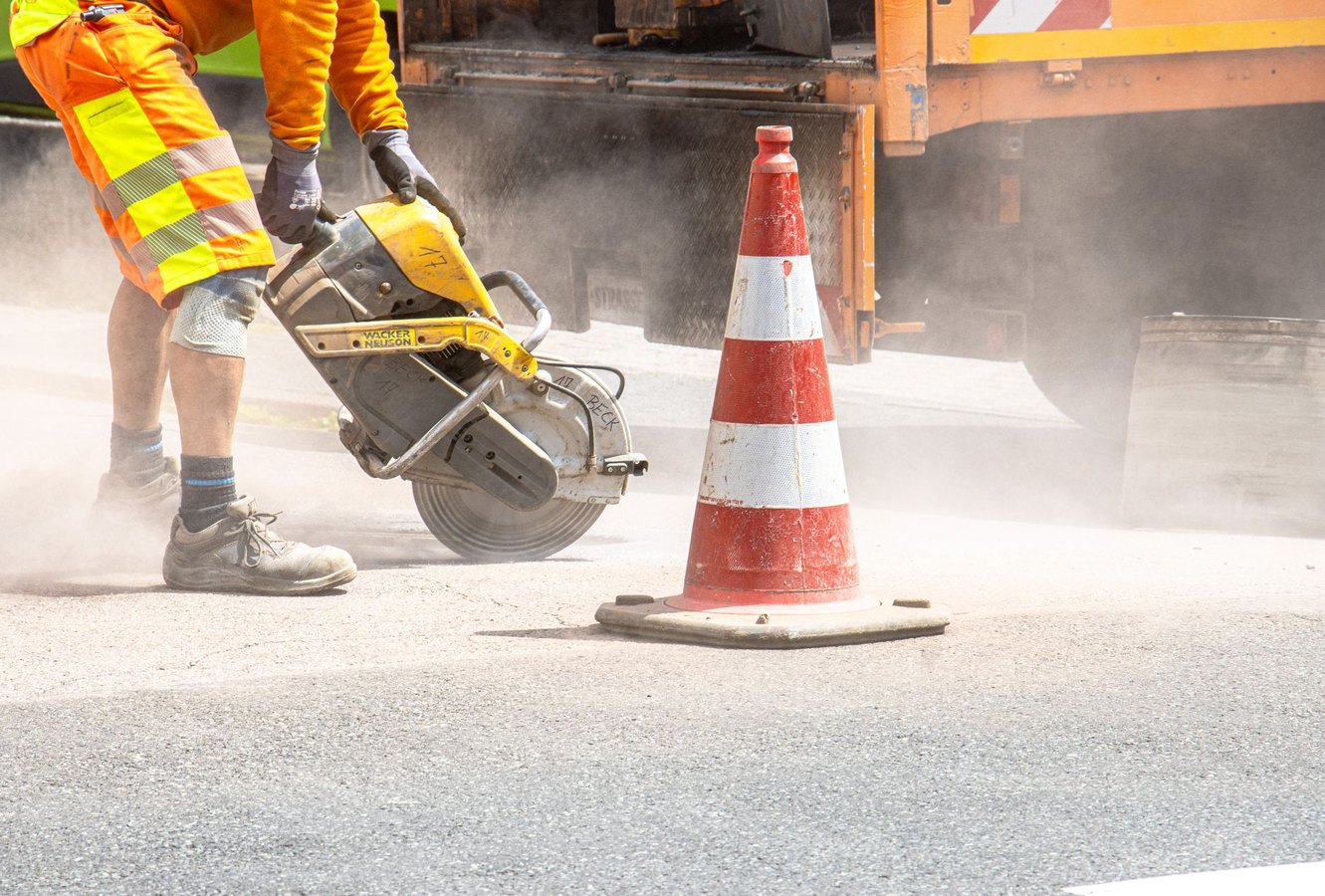
Recognize the problem. Name the debris.
Visual symptom guide to material-specific contamination
Every renovation leaves distinct contamination signatures. Spinwinera trains your team to spot them instantly. Drywall dust coats surfaces with fine white powder and clogs HVAC systems. Latex paint splatters create stubborn dried droplets on floors and fixtures. Silicone residue leaves oily, translucent streaks that standard wiping misses. Adhesive buildup hardens into crusty patches on tile and concrete. HVAC infiltration spreads dust through ductwork into finished spaces. Tile grout haze creates a milky film across newly sealed surfaces. Spinwinera IT assessment protocols document each type with photographic evidence, enabling precise scope definition and material-specific removal planning.
Drywall Dust
Fine white powder coating all surfaces, settling in HVAC returns and electrical outlets. Requires containment barriers and HEPA filtration.
Latex Paint Spatter
Dried droplets on floors, fixtures, and trim. Removal method depends on substrate: gentle scraping for wood, chemical solvent for tile.
Silicone Residue
Oily, translucent streaks on glass and metal. Requires solvent-based cleaner and extended dwell time; standard wiping ineffective.
Adhesive Buildup
Crusty patches on tile, concrete, and baseboards. Mechanical removal with oscillating tool or chemical stripper, depending on adhesive type.
HVAC Infiltration
Dust spread through ductwork into finished spaces. Requires duct cleaning, filter replacement, and air quality testing post-removal.
Tile Grout Haze
Milky film across newly sealed tile surfaces. Removal uses pH-neutral grout haze cleaner and soft-bristle brush to avoid sealer damage.
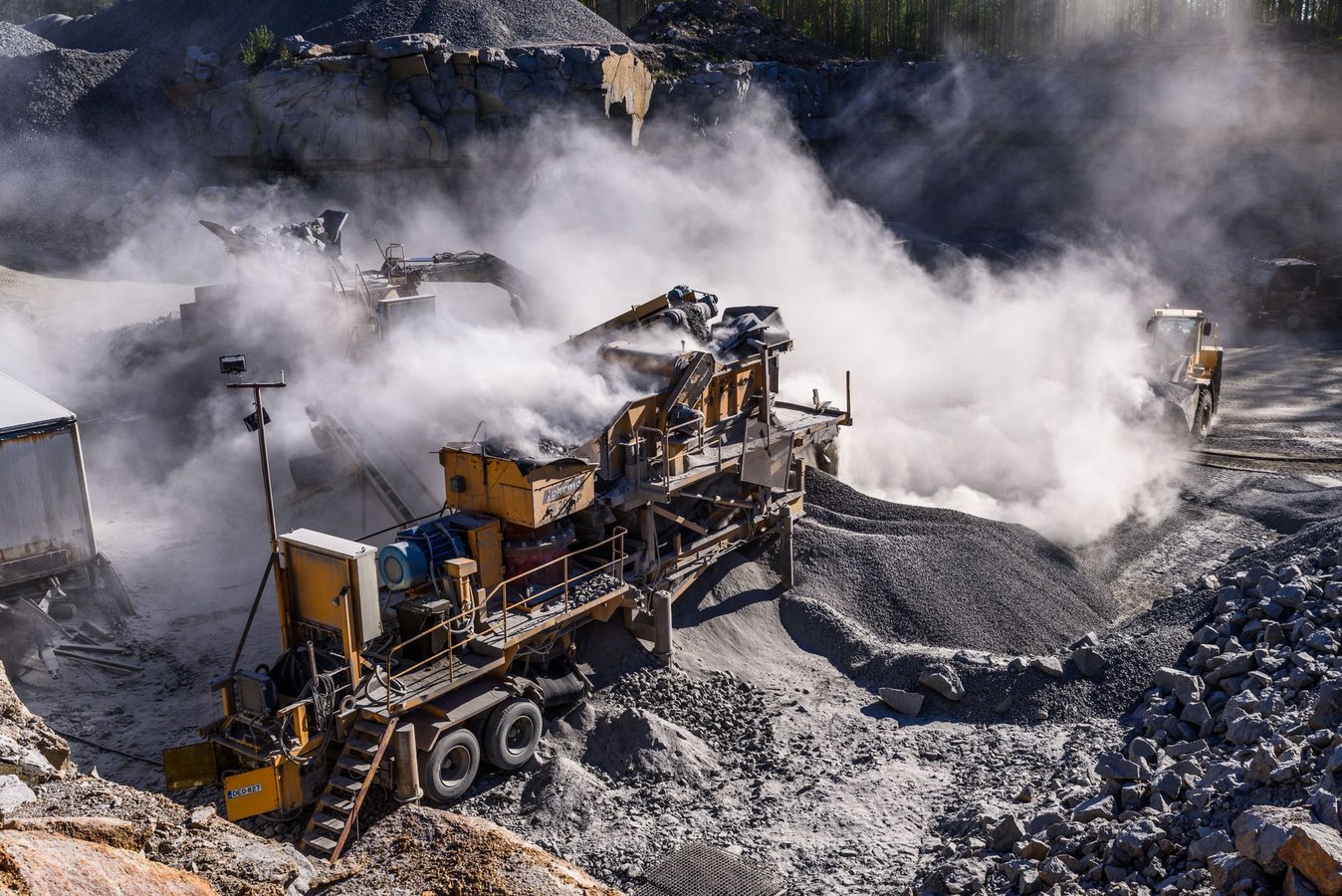
Map contamination by space. Measure cleanup depth.
Systematic room assessment protocol
Spinwinera assessment teams move room-by-room, documenting contamination type, surface area, and removal complexity. Each space presents unique challenges. Kitchen renovation leaves paint spatter on appliances, adhesive on backsplash tile, and drywall dust in exhaust hoods. Bathroom work deposits silicone residue on mirrors and fixtures, grout haze on newly sealed tile, and moisture-trapped dust in ventilation. Living spaces accumulate general drywall dust, paint overspray on trim, and adhesive patches on flooring transitions. HVAC systems distribute fine particles throughout the building if not properly contained during construction. Spinwinera IT mapping protocol assigns removal priority and method to each room, ensuring efficient crew deployment and transparent timeline integration.
Contamination: Paint spatter on appliances, adhesive on backsplash, drywall dust in hood filters.
Removal: Solvent wipe for paint, mechanical scraping for adhesive, hood filter replacement and duct cleaning.
Contamination: Silicone residue on mirrors, grout haze on tile, moisture-trapped dust in ventilation.
Removal: Solvent cleaner for silicone, pH-neutral haze remover for grout, vent duct cleaning and filter replacement.
Contamination: General drywall dust, paint overspray on trim, adhesive patches on flooring transitions.
Removal: HEPA vacuum and damp-wipe for dust, solvent for paint, mechanical removal for adhesive patches.
Contamination: Fine particle distribution through ductwork if not contained during construction.
Removal: Full duct cleaning, filter replacement, air quality testing, and system verification post-cleanup.
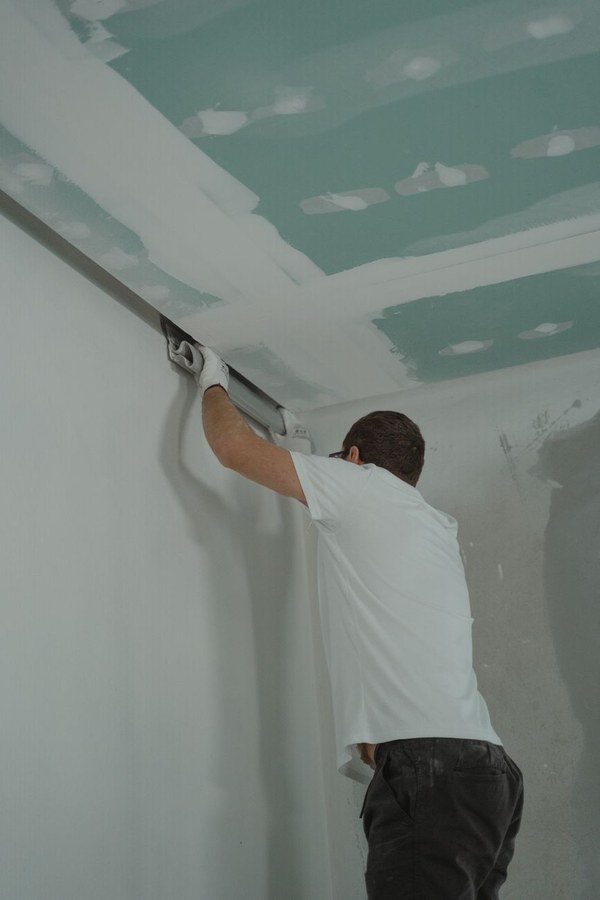
Proven removal protocols. Safety-first standards.
Material-specific techniques and equipment specs
Drywall Dust Containment
Spinwinera IT uses negative-pressure containment barriers with HEPA-filtered air scrubbers to isolate work zones and prevent dust migration into finished spaces.
- HEPA filtration (H13 or H14 rated)
- Containment barriers with zippered access
- Negative-pressure fans (2–4 air changes per hour)
- Sealed ductwork and outlet covers
Paint & Adhesive Removal
Spinwinera applies material-specific solvents and mechanical tools to remove dried paint and adhesive without damaging underlying surfaces or finishes.
- Solvent-based cleaners (pH-neutral for sensitive substrates)
- Oscillating multi-tools with soft-bristle attachments
- Plastic scrapers to avoid substrate gouging
- Disposal protocols for solvent-contaminated waste
Silicone & Grout Haze Cleaning
Spinwinera IT specialists use targeted chemical cleaners and extended dwell times to dissolve silicone residue and grout haze without affecting sealer integrity or surface finish.
- Silicone-specific solvent (non-abrasive)
- pH-neutral grout haze remover
- Soft-bristle brushes and microfiber cloths
- Extended dwell time (15–30 minutes per application)
HVAC & Air Quality Restoration
Spinwinera completes every project with duct cleaning, filter replacement, and post-removal air quality testing to verify contamination removal and system integrity.
- Professional duct cleaning equipment (truck-mounted or portable)
- MERV-13 or higher replacement filters
- Air quality testing (particle count and IAQ metrics)
- System verification and certification documentation
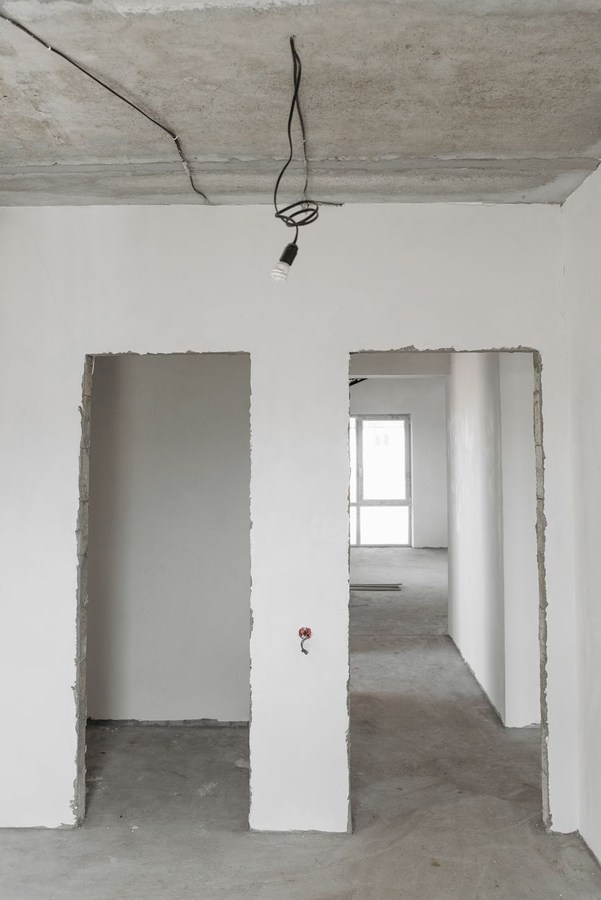
Accelerate handover. Integrate cleanup into project flow.
How rapid assessment shortens project duration
Most renovation projects treat cleanup as an afterthought—a final scramble that delays handover by days or weeks. Spinwinera reverses that logic. Early contamination identification, conducted while construction is still active, prevents the chaos of discovering hidden debris during final walkthrough. Spinwinera IT assessment teams document contamination type, location, and removal complexity while the site is still organized and crews are mobilized. This clarity enables precise scope definition, accurate timeline estimation, and seamless crew coordination.
The assessment phase takes 2–4 hours depending on project size. Spinwinera delivers a detailed contamination map, material-specific removal protocols, and integrated timeline showing how cleanup fits into the final project phase. Removal itself typically spans 3–7 days, depending on contamination severity and space complexity. Final inspection and air quality testing confirm complete removal and system integrity. The entire process—assessment through handover—compresses what would otherwise be a chaotic, unpredictable cleanup into a measurable, integrated project component.
Spinwinera IT clients report 40–60% faster project closeout because contamination is identified early, removal is methodical and material-specific, and final inspection is transparent and documented. No surprises. No delays. No rework. Just clear diagnosis, proven protocols, and accelerated handover.
Assessment (2–4 hrs) → Scope Definition (1 day) → Removal (3–7 days) → Final Inspection & Testing (1 day) → Handover
Schedule your debris assessment.
Tell us about your project. We'll diagnose your cleanup needs.